Captive
I am the surviving aunt of a successful suicide. There, I said it.
My 17-year-old nephew took his own life, and now I’m captive to the aftermath, captive to the pain of his success in completing what he started.
I understand that he was in turmoil, that he was in pain. In fact, I understand that pain too well. As teenagers, many of us experience overwhelming emotions, that deep, heavy ache that makes life feel unbearable. I’ve been there myself, more than once. When my mother died. When my first boyfriend and I broke up. When my friends no longer wanted to be my friends. I’ve also been there as an adult, when CPS took my daughters, and when my son’s father got married while I was pregnant. Each of those moments left me wishing I could simply disappear, or, as Mary J. Blige once sang, “Fade Away.”
But I didn’t.
For my children’s sake, I didn’t go through with it. Even in the darkest moments, I didn’t remove myself from this world. I once believed my children would be better off without me, that my life insurance could do more for them than I could. But in my pain, I forgot what it was like to lose a mother. I forgot the abandonment, the insecurity, and the anger I carried after her death. I share this because I know that unbearable, blinding pain that drives people to consider suicide. I have lived with it, survived it, and now, I must live with someone I love not surviving it.
When I got the call that my nephew was gone, I screamed and cried for twenty minutes straight. “HE is dead, he killed himself.”
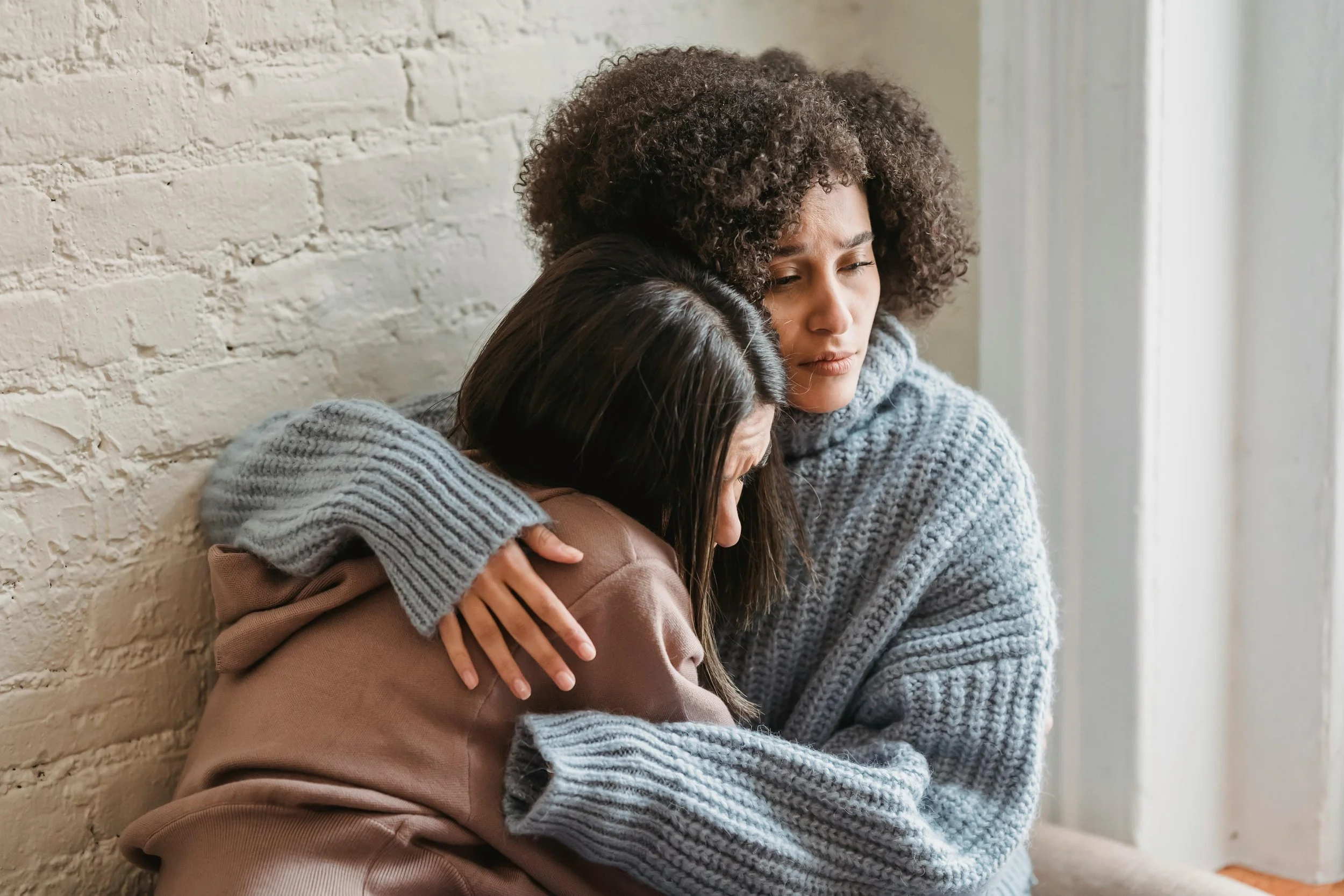
Those words shattered my heart. Nieces and nephews may be your siblings’ children, but they are also yours. When he took his life, he took a piece of all of us with him. We each grieved differently, some drank, some laughed through tears, some handled logistics, and some simply broke down. I tried to stay strong for everyone, my sisters, my children, my other nieces and nephews.
After we buried him, I drove fourteen hours home. The drive there had been a blur — I barely remember it. My only thought was to reach my sister and somehow take her pain away. When I finally returned home, twelve days after that phone call, I collapsed. I spent three days in bed, unable to move. That was when my own grief began. I had spent those first days caring for everyone else, ignoring my own pain. When I finally stopped, it consumed me.
People see your tears, your sadness, your occasional smiles, and assume you’re healing, that you’re “grieving normally.” But there is nothing normal about suicide. Nothing.
The survivors are left to live in the same world their loved one abandoned, haunted by the spaces they once filled. What’s normal about never again hearing your nephew call you “Auntie” with that mischievous little smirk? You don’t recover from that, you adjust to the silence it leaves behind.
Now, I live in fear. I watch my children closely. I memorize their faces, their laughter, their routines, just in case. I tell myself I’m doing it out of love, but I know I’m doing it out of fear. I fear losing another one of them in the same way.
I am captive to that fear.
It has changed how I parent. My sons get away with things I never would’ve tolerated before. I don’t push my daughters as hard as I used to. I hesitate before correcting, before challenging, before saying no. Because in the back of my mind, every time one of them looks sad or distant, the same thought plays over and over: Please, don’t kill yourself.
This fear has paralyzed me. It’s been years, and my nephew’s death still dictates my decisions, what I do, what I don’t do, and how I love. I pray constantly for strength and guidance, but prayer hasn’t quieted the panic that rises every time one of my children’s voices cracks or they retreat into their rooms. My heart always wins over my logic. My heart says, “Save them.”
Maybe this is PTSD — I don’t know.
But I do know that I’ve been chained to this fear since August 31, 2015.
There are no visible shackles, but emotionally, I’ve been bound ever since.
I know this isn’t healthy. I know I’m not helping my children by parenting from fear. But every time I see my nephew’s face in a photo or hear his name, the pain floods back, raw and relentless. I’ve lost many people in my life: my mother, grandmother, aunts, uncles, cousins, and friends. None of those losses compare to this. His death changed something fundamental in me.
I think of my sister often. He was her youngest son. Her pain, I know, runs even deeper than mine.
I can’t compare my suffering to hers. But I can tell you that my nephew’s suicide made me a prisoner of fear — a fear that has reshaped my motherhood, my faith, and my sense of safety in the world.
I pray that one day, I will be free of it. But right now, I don’t see that freedom anywhere in sight.
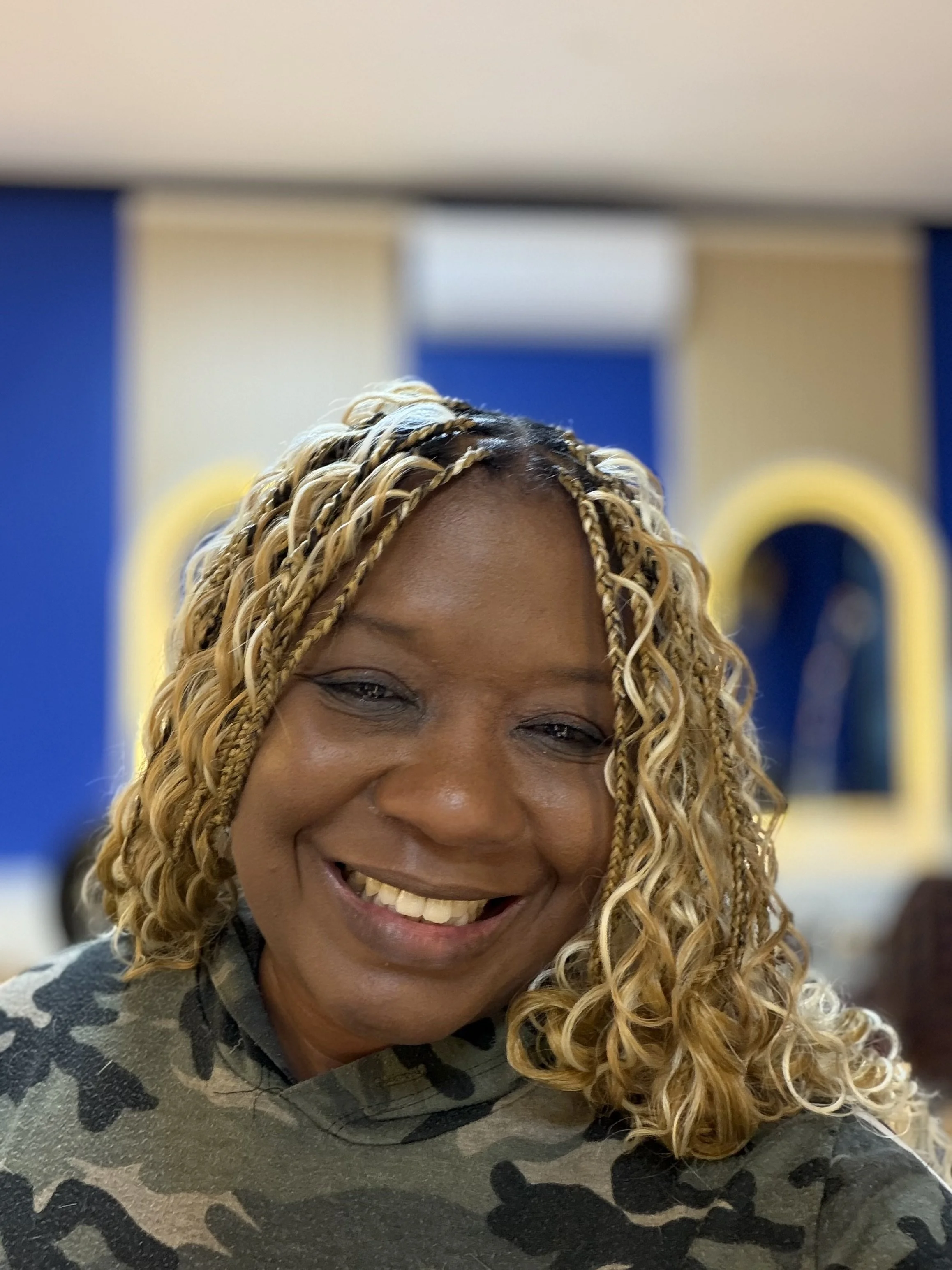
Christine Williams author, actress, poet and best job of all mother. Full Sail University alumni and U.S. Navy Veteran.